Would you like to write for us? We are looking for people with a passion for health, green solutions,
and environmental issues that need awareness. If you are interested,
please email us SanusSomes2010@gmail.com.
Showing posts with label A Dose of Reality. Show all posts

Saturday, October 22, 2011

What Stage Are You At?


There are 5 stages a person goes through before starting a healthy routine.  If you are having a problem sticking to a routine, learning the 5 stages and identifying where you are may make it easier for you start and stick to a healthier lifestyle.

Somethings gotta change!!
First Stage: Pre Contemplation
At this stage you don’t think there is a need to eat healthier and exercise.  You think everything is fine and you can continue a life of scarfing down junk food and practicing the art of being a couch potato.  You shrug off claims that diet and exercise are good for you and decide to spend you free time in front of the television.

Second Stage: Contemplation
You realize you need to do something. Your weight has gotten progressively worse, and you don’t have any energy. You may be experiencing some health issues and you feel tired most of the time. When you check your kitchen for something healthy to eat, you find the closest thing you have for healthy consumption is water. Still the problem seems too big to handle and you decide to do nothing.
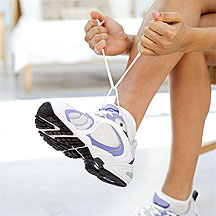
Third Stage: Preparation
In this stage you start collecting information. You call a few gyms for pricing and inquire about healthy eating programs. You may even engage in some sporadic exercise like walking once every week or so. People in this stage are ready to adopt a healthy lifestyle. This is the stage most get stuck in. If you can stay on this path and try to progress to the next stage it will be a big and important hurdle. Starting a routine with a friend is more fun. It’s much easier when you are not going it alone.

Fourth Stage: Action
This is the stage when people engage in a regular routine of healthier living. They exercise several times a week and make healthier food choices. This stage is still new and the routine has not been regular for more than 6 months. It is at this stage that more than half of the people give up and slide back to their old ways. If you can push through at least 6 months it is more likely to become part of your regular routine.  Your body will really show signs of a healthier lifestyle. Having a friend helps a lot in this stage. Sharing experiences, hardships and triumphs with someone else increases the rate of success.

Fifth Stage: Maintenance
By now the body has a routine and eating healthy is something that comes much easier. This happens after 6 months of a daily healthy routine. Regular exercise is craved by the body and you don’t feel right unless you stick to it. Health has improved, energy levels are up and you not only feel better but look better too!


We wish everyone good luck in starting their routine. But it is not luck you need. Your limits are defined by agreements you've made about what’s possible, change that agreement and you can dissolve all limits*. Remember you are never too old, too fat, too out of shape, too weak or too busy to start living a healthy lifestyle, only too lazy!!!


*Dr. Wayne W. Dyer, "Everyday Wisdom"

Written by Joann Agoglia
Edited by Rob Marshall

Sunday, October 2, 2011

A Dose of Reality and A Nugget of Nutrition
Be Leaner and Greener

Reducing your waist line can help you reduce your carbon foot print and visa versa. Take an average lunch for example. Since most of us have a limited amount of time for lunch, quick and simple is the only way to go. This is why the fast food drive thru is always crowded, but it is not the only way. It is simple and sometimes quick, but those are about the only benefits.

Most fast food lunches contain 700-1200 calories. Even the salads! The calories can be cut in half for the salads if you don’t use any dressing and get rid of the croutons. Lets face it, a salad for lunch leaves you hungry in a couple of hours even with chicken or a hard boiled egg. Now take out the dressing and not only is it not filling, but it isn’t satisfying either.

One nights worth of trash at a fast food restaurant.
 Now let’s take a look at the effects on your carbon footprint from that meal.  Everything you order comes in its own wrapping. The sandwich has a bag or a box, and the drink has a cup and sometimes a straw. You may get bottled water, but you need to make sure the bottle is being recycled. If you get a side, that too comes in its own container. It doesn’t matter if it is paper or plastic because neither one can be recycled. Then everything comes in yet another bag. If you have the time to go inside you will be using a tray that has a paper liner that is not recyclable and trays use up water and electricity when being washed. Additionally, your car uses gas to go waiting in line at the drive thru. If it is a nice day you just may have the car windows open until you the smell of the car exhaust gets to you. So you close the windows and turn on the air conditioner or maybe the heat which uses even more gas.

All of this from only one lunch for one person. This is repeated hundreds of thousands of times a day all across the US. What can you do about it?

If you don’t already know, packing your own lunch can be much healthier for you. Compared to a meal at your favorite fast food restaurant (or even you favorite big chain restaurant) your homemade lunch can contain less calories and a bigger amount of food to eat.  If you pack everything in reusable containers just think of all the trash you save from going into the landfills. You may not live near a landfill, but someone does.  We also encourage the use of reusable water bottles. Find yourself a tin drink container. It can go from freezer to dishwasher. If you frequent popular cafes, take advantage of the reusable coffee mugs they always have for sale or try stores like Target for cheaper prices on bigger travel mugs.

Unfortunately the average American produces between 9-10 pounds of trash in just two days and is 17 pounds over weight. It all adds up when you reduce the amount of trash you create on a weekly basis and the amount of calories you consume on a daily basis by taking your own lunch to work! One person can make a difference!  If you have children you are setting a great example for them to follow. They too can pass this good habit down to their children.

If you have a hard time deciding what to bring for lunch, feel free to contact us. Just let us know what you like for lunch and we can come up with a leaner, greener way for you to enjoy your favorite meals.

Written by Joann Agoglia
Edited  by Rob Marshall

Tuesday, July 19, 2011

A Dose of Reality
Abuse it, and you'll lose it!

Temperatures are expected to be in the 90s all week. The less electricity we use, the less chance we have of brown outs or worse: blackouts.  We can all pitch in and do our part.  By using less electricity we can all stay cooler this summer. Here are ten tips that not only save energy but save money as well.

1. Limit your computer and television use. 
With all your neighbors cranking up the ac it puts a real strain on the electric companies.  Limiting use of the computer and tv can make a big difference.  One person does not need to have the computer and the tv on at the same time.  If you are going to be away from either for longer than a few minutes, shut them off.  Remember these things are heat sources and will make your house hotter when they are on.

2. Put up a clothesline.
Take advantage of the heat and let it dry your clothes.  Clotheslines are very easy to make (check out our facebook page).  All you need is some heavy duty rope.  You can get clothesline rope at Home Depot, and buy clothes pins at the dollar store.  If you would rather buy one that is relatively inexpensive, they range in price from $13 - $50.

3. Catch that dry cycle.
Catch the dishwasher while it is in the dry cycle and turn it off.  Dishes will dry by themselves without the heated dry cycle. Save some money, and reduce some of the heat that is generated in your house.

4. Unplug Anything with LED lights.
How many things do you need to tell time?  It seems everything has a digital clock on it including the oven, the microwave, and even the cable box. Even appliances like TVs have red LED lights that turn on when you turn the TV off. This sucks up a lot of power in the long run. Unplug them when they are not in use. 

5. Reevaluate how many lights you need on during the day.
If your bathroom has a window do you really need to turn the light on during the day? Do you have the lights on when you are watching TV or playing on the computer during the day?  Most of the time turning on the lights when you walk into a room just becomes habit. You can save energy by opening your window blinds and letting in some sun.

6. How cold do you really need it?
You house should be comfortable; not cold. A few degrees will make a big difference on your next electric bill, and chances are you will not feel the difference between 70 and 72.

7. Get good at barbecuing!
You save electricity by not using your stove, and you will be able to keep the kitchen (and your house) much cooler when you cook outside.

8. Switch to energy saving light bulbs.
The world will not be saved just by switching to energy saving bulbs alone. They are one part of an important movement. They will, however, save your money. They use less power and give off less heat than traditional bulbs.   

9. Give that air-conditioning a much needed rest.
It is always cooler in the morning.  Shutting off the air-conditioning for an hour or two will give the unit rest and save some money. It is important to note that on very hot days you may only be able to shut the AC off for about an hour.  You should not let the house get too hot before turning it back on.

10. Check your filter regularly.
Check the filter in your air-conditioner, especially if it has been running for long stretches of time.  The unit is forced to work harder if the filter gets clogged. Having two filters will be helpful.  While one is being cleaned and dried, you can put the second one in.

Good luck with the summer heat this year! When it starts hitting 101 degrees in North Dakota, you know its going to be a rough one. Remember to drink plenty of water and stay away from dehydrating drinks like soda, coffee, and alcohol!


Written by Joann Agoglia
Edited by Robert Marshall

Tuesday, July 12, 2011

A Dose of Reality
I Need What I Want!

When I was a child, I was spoiled. I would ask and get just about anything wanted. My father once said to me, “Joann, you have to separate your needs from your wants.” I replied, “Dad, there is a thin line between needs and wants. Once you decide you want something, you find ways to need it.” He chuckled and almost seemed proud of my answer. I think after that he said something about a gray area; I should try to stick to it. I wasn’t a very good listener back then. I do, however, feel the same about wants and needs today. Humans only need three things to survive: water, food, and shelter. All of the rest is fluff; boy, do we have a lot of fluff!

How and why did we get so dependant on things we didn’t really need? Where did these ideas of needing something we could survive without come from? I used to think that these ideas came from logic and sensible reasoning, but I know longer think that is true. It is almost as if we have an extra voice in our heads. In addition to the regular angel and devil on our shoulders, it seems we have this permanent Bluetooth lodged in our ears, speaking to our brains. It tells us we need this and that and sends us images of how cool we would look. This “Bluetooth Bug” is hard to ignore. No matter where you are, it is always whispering why we need things we could and should do without. The energy that powers this device is strong and readily available. It draws its energy from our televisions, radios, computers, and phones; it flashes images to us while we are on the road and in the mall. It is the tool of the media.

Tell me what I want!
In our society, media controls the flow of information. Two of the biggest influences on media’s frontlines are TV and the internet. Think back on today. How many clothing ads did you see on the internet? How many car or car insurance commercials on TV? What about fast, cheap food? Advertising tells you what to like and when to like it. When was the last time you saw a commercial for organic farming? How about a commercial that showed how good vegetables are without being dowsed in ranch dressing? I can remember seeing more oil advertisements in the past month than any advertisement for something I actually need. Children’s advertising is even worse. The cereal isle is bombarded with exciting cartoon characters on sugar cereal boxes like bees, rabbits, vampires, and leprechauns. It’s time to get real about who is making your choices; is it you or the commercials?

Do you remember the first cell phones? They were called pack phones. They weighed over a pound and had to be plugged into a car. Now phones weigh six ounces, play games and movies, and connect you to the internet 24/7. Not only was that move unnecessary, but the media makes you believe that it is so important that you are willing to pay $50 extra a month on top of the normal phone service. Phone bills easily reach $100 per month per person in the US. Now add that to the internet service and the cable you already pay for at home and what do you get? You get cheap, fast food. Why? Because many have been mislead by media to believe that it is a great idea to buy cheap, processed food in bulk instead of organic food in order to afford bigger and cooler technology.

It is time to decide what is really important in your life. Is it more important to feed your gas guzzling Cadillac Escalade $80 a week in fuel or feed your children natural organic food that will keep them healthy and energetic? Is it better to spend an hour on the internet with your phone or computer, or is it better to spend 20 minutes making a home cooked meal for your family (Yes, it is possible to make an organic meal for four in less than half an hour). Sure, sometimes organic food can be more expensive than something in a box, but consider how much you spend on frivolous entertainment like internet on your phone, 150 channels on the TV, $70,000 on a car that eats up $90 plus worth of gas a week. Separate the wants from the needs, and give your needs the priority they deserve. Your needs are water, food, and shelter. Not internet, TV, and SUVs.  Get unplugged, and get real. Or maybe we should make an app for that.


Written and Edited by
Joann Agoglia &
Robert Marshall