Would you like to write for us? We are looking for people with a passion for health, green solutions,
and environmental issues that need awareness. If you are interested,
please email us SanusSomes2010@gmail.com.
Showing posts with label food. Show all posts

Saturday, October 22, 2011

What Stage Are You At?


There are 5 stages a person goes through before starting a healthy routine.  If you are having a problem sticking to a routine, learning the 5 stages and identifying where you are may make it easier for you start and stick to a healthier lifestyle.

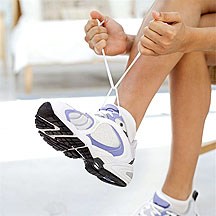
Somethings gotta change!!
First Stage: Pre Contemplation
At this stage you don’t think there is a need to eat healthier and exercise.  You think everything is fine and you can continue a life of scarfing down junk food and practicing the art of being a couch potato.  You shrug off claims that diet and exercise are good for you and decide to spend you free time in front of the television.

Second Stage: Contemplation
You realize you need to do something. Your weight has gotten progressively worse, and you don’t have any energy. You may be experiencing some health issues and you feel tired most of the time. When you check your kitchen for something healthy to eat, you find the closest thing you have for healthy consumption is water. Still the problem seems too big to handle and you decide to do nothing.

Third Stage: Preparation
In this stage you start collecting information. You call a few gyms for pricing and inquire about healthy eating programs. You may even engage in some sporadic exercise like walking once every week or so. People in this stage are ready to adopt a healthy lifestyle. This is the stage most get stuck in. If you can stay on this path and try to progress to the next stage it will be a big and important hurdle. Starting a routine with a friend is more fun. It’s much easier when you are not going it alone.

Fourth Stage: Action
This is the stage when people engage in a regular routine of healthier living. They exercise several times a week and make healthier food choices. This stage is still new and the routine has not been regular for more than 6 months. It is at this stage that more than half of the people give up and slide back to their old ways. If you can push through at least 6 months it is more likely to become part of your regular routine.  Your body will really show signs of a healthier lifestyle. Having a friend helps a lot in this stage. Sharing experiences, hardships and triumphs with someone else increases the rate of success.

Fifth Stage: Maintenance
By now the body has a routine and eating healthy is something that comes much easier. This happens after 6 months of a daily healthy routine. Regular exercise is craved by the body and you don’t feel right unless you stick to it. Health has improved, energy levels are up and you not only feel better but look better too!


We wish everyone good luck in starting their routine. But it is not luck you need. Your limits are defined by agreements you've made about what’s possible, change that agreement and you can dissolve all limits*. Remember you are never too old, too fat, too out of shape, too weak or too busy to start living a healthy lifestyle, only too lazy!!!


*Dr. Wayne W. Dyer, "Everyday Wisdom"

Written by Joann Agoglia
Edited by Rob Marshall

Sunday, October 2, 2011

A Dose of Reality and A Nugget of Nutrition
Be Leaner and Greener

Reducing your waist line can help you reduce your carbon foot print and visa versa. Take an average lunch for example. Since most of us have a limited amount of time for lunch, quick and simple is the only way to go. This is why the fast food drive thru is always crowded, but it is not the only way. It is simple and sometimes quick, but those are about the only benefits.

Most fast food lunches contain 700-1200 calories. Even the salads! The calories can be cut in half for the salads if you don’t use any dressing and get rid of the croutons. Lets face it, a salad for lunch leaves you hungry in a couple of hours even with chicken or a hard boiled egg. Now take out the dressing and not only is it not filling, but it isn’t satisfying either.

One nights worth of trash at a fast food restaurant.
 Now let’s take a look at the effects on your carbon footprint from that meal.  Everything you order comes in its own wrapping. The sandwich has a bag or a box, and the drink has a cup and sometimes a straw. You may get bottled water, but you need to make sure the bottle is being recycled. If you get a side, that too comes in its own container. It doesn’t matter if it is paper or plastic because neither one can be recycled. Then everything comes in yet another bag. If you have the time to go inside you will be using a tray that has a paper liner that is not recyclable and trays use up water and electricity when being washed. Additionally, your car uses gas to go waiting in line at the drive thru. If it is a nice day you just may have the car windows open until you the smell of the car exhaust gets to you. So you close the windows and turn on the air conditioner or maybe the heat which uses even more gas.

All of this from only one lunch for one person. This is repeated hundreds of thousands of times a day all across the US. What can you do about it?

If you don’t already know, packing your own lunch can be much healthier for you. Compared to a meal at your favorite fast food restaurant (or even you favorite big chain restaurant) your homemade lunch can contain less calories and a bigger amount of food to eat.  If you pack everything in reusable containers just think of all the trash you save from going into the landfills. You may not live near a landfill, but someone does.  We also encourage the use of reusable water bottles. Find yourself a tin drink container. It can go from freezer to dishwasher. If you frequent popular cafes, take advantage of the reusable coffee mugs they always have for sale or try stores like Target for cheaper prices on bigger travel mugs.

Unfortunately the average American produces between 9-10 pounds of trash in just two days and is 17 pounds over weight. It all adds up when you reduce the amount of trash you create on a weekly basis and the amount of calories you consume on a daily basis by taking your own lunch to work! One person can make a difference!  If you have children you are setting a great example for them to follow. They too can pass this good habit down to their children.

If you have a hard time deciding what to bring for lunch, feel free to contact us. Just let us know what you like for lunch and we can come up with a leaner, greener way for you to enjoy your favorite meals.

Written by Joann Agoglia
Edited  by Rob Marshall

Sunday, September 4, 2011

The Super Powers of the Tomato


If you live in New Jersey you are no stranger to the Jersey tomato. We claim to have the best tasting tomatoes in the world. The mixture of sandy and clay soil make ideal growing conditions. You may know that tomatoes are good for you, but good is truly an understatement. You may also not be aware that tomatoes were once considered poisonous.

Those of us who pride ourselves on how good New Jersey tomatoes are might find it hard to believe that the plant originated in South America. The Spanish conquistadors loved it so much that they took it back to Europe with them. Somewhere along the line it became an ornamental house plant and was not considered edible. In fact, because of its distant relation to nightshade (a plant that produces highly toxic berries) it was thought to be poisonous.

Here’s where New Jersey and the tomato come together. In 1820 Colonel Robert Gibbon Johnson of Salem County brought the tomato plant to local farmers. Legend has it that on Sept 26, 1820, he proved tomatoes were not poisonous when he stood on the steps of the Salem County Courthouse and ate a whole basket of the delicious red fruits in front of hundreds of onlookers.  Much to their surprise, the Colonial didn’t die and the local farmers have been growing tomatoes ever since.

Tomatoes are not only great tasting; they are great for your health too! Tomatoes contain lycopene, and lots of it. Lycopene is an antioxidant. This antioxidant flushes out free radicals and protects healthy cells from diseases like cancer. The more lycopene a food contains the more free radicals the body can flush. It is not only the high levels of lycopene that make this fruit down-right awesome for you: it’s the beta-carotene, potassium, magnesium, niacin, folate and Vitamin B6. This combination of nutrients makes the tomato a cancer fighter and a big help in preventing heart disease.  Research shows that men who consume 10 servings of tomatoes a week reduce their risk of prostate cancer by a whopping 45%. Similar studies show similar results for rectal colon, lung, breast, and endometrial cancers. There is even research that indicates tomatoes can help people stay active longer. The fruits and vegetables with the highest level of antioxidants and nutrients are, as usual, organic!

So slice ‘em, dice ‘em, pile them on your pizza or burger. Chop them up and add some extra to your salsa or just cut them in half and add a small amount of salt or eat them just the way they are. My personal favorite is sliced tomatoes with some mozzarella cheese, olive oil, vinegar, basil, and a sprinkle of sea salt top.

Is there a fruit or vegetable you think needs special attention? Let us know your favorites. We would love to write more about the benefits of nature’s market.

Written by Joann Agoglia
Edited by Rob Marshall

Saturday, August 27, 2011

Recipes for the Health Conscious but Clumsy Chef
Whole Wheat Waffles

1 1/2 cups whole wheat flour
2 tsp baking powder
1/2 tsp salt
1 1/2 tbl sugar*
1 large egg
1 1/2 cups almond milk (or organic milk)
1/3 cup olive oil

  1. Whisk together the flour, baking powder, salt, and sugar. 
  2. In a separate bowl, whisk together the egg, milk, and oil. 
  3. Mix together the wet and dry ingredients; stirring just till combined.
  4. Cook the waffles as directed in the instructions that came with your waffle 
*I prefer to use less sugar, and, in fact, sugar is not even necessary. Try substituting chopped fruit for the sugar!

Friday, August 19, 2011

Recipes for the Health Conscious but Clumsy Chef:
Veggie Burgers


2 cans garbanzo bean (chic peas)
4 eggs
1/2 teaspoon sea salt
1 onion chopped
7-10 crushed Whole grain Melba snacks crackers
1 tablespoon oil just for cooking


  1. Mash the beans. You can put beans in the blender and puree them.
  2. Add the eggs and salt. .
  3. Slowly add in the crushed crackers until the mixture looks like chunky hummus. You may not have to use all of the crushed crackers.
  4. Stir in the onions.**
  5. Make meatball size patties.
  6. Depending on what you idea of a good size meatball is this recipe should make 10-12 patties. You can make smaller patties and create sliders.
  7. Put oil in a skillet and cook patties on medium heat for 7-10 minutes on first side and 7 minutes on the other side

**You can get creative and add peppers, squash, celery, garlic, corn or cucumbers.
I have added all of these veggies and all tasted great.


Tuesday, August 16, 2011

Farmers: Today's Indentured Servants


Farming has never been an easy living to make. Before heavy machinery was manufactured, farmers plowed, planted, weeded, and harvested by hand. They could eat their crop, but they still needed to sell enough (mostly at local markets) to pay their bills. Plots of land would yield only so much food, but it required long hours and dedication. Despite the hardships, farmers were a proud group dedicated to their charge, and because of their agricultural endurance, America has been able to thrive.

The face of farming has changed drastically in the past 50 years. Machines do much of the manual labor. Herbicides do the weeding, and pesticides (modified nerve gas like DDT) protect crops from insects. Seed providers have been bought up by chemical corporations to become hubs for genetic engineering. Food has transformed, and it now travels farther than ever before. Fields yield 300% more than even 30 years ago. The farm has become efficient, but at what cost? Are farmers finally able to sit back and relax? The truth is that they cannot. In fact, the farmer’s life has recessed to the likeness of the indentured servant.

An indentured servant is a person that works for food and shelter (sometimes up to 7 years). They usually do not get paid wages, but they survive. This is the life of the 21st century farmer. Through subsidy programs, debt, and constant harassment from Genetic Engineering corporations like Monsanto, farmers are barely able to get by.

The government subsidizes four major crops grown in America. Corn is one of them, and it has become a source of controversy in recent years. Today’s corn is not the corn of 100 years ago. It has been modified by Monsanto and other corporations to resist chemical sprays sold by the same group (Round-up, anyone?). The cost of seed, chemicals, machinery, and fuel makes the cost of producing corn extraordinarily high. One bushel of corn costs the farmer $3.20. The net return is only $2.20, which creates a loss of $1. How can farmers continue if they do not make money? The answer is subsidies. The government gives farmers money for growing corn (no matter what corn it is). To get as much profit as possible, farmers buy the cheapest and easiest corn seed they can. However, their profits are once again snatched away by the chemical sprays they have to use on their fields and the fuel they need to power their machines. Using wheat as an example (it follows a similar parallel to corn), the $1.50 you spend on bread at the store will reach the farmer as a mere profit of a single nickel after the retailers get their hands on it. Even then, that nickel is up for grabs for the chemical and seed corporations.

There are other problems out there for farmers: cross-contamination. Corporations like Monsanto and many others have been allowed to patent genetic material (plant, animal, and sometimes human) since 1978. Under patent laws, they have the right to sue anyone that possesses their genetic material without a license even through unwanted cross-pollination. Many lawsuits have been made against famers large and small by Monsanto for illegal possession of patented material, and in all cases Monsanto is backed by the government, forcing the farmers to settle out of court or go bankrupt trying to fight the suits. Consequently, the farmers are forced to destroy stored seeds,which are sometimes hand-developed by families for over 100 years, in case they are contaminated. How could the government allow this to happen over and over without any resistance? Perhaps it is because the same people who work for the government also work for Monsanto.

Linda Fisher
Exec. VP for Monsanto
Deputy Admin. for EPA
Justice Clarence Thomas
Monsanto Lawyer for Regulatory Affairs
Supreme Court Justice
Micky Kantor
Board of Directors, Monsanto
Secretary of Commerce
Lidia Watrud
Biotech Researcher, Monsanto
EPA
Anne Veneman
Board of Dir., Calgene,
Purchased by Monsanto
Sec. of Agriculture
Michael Friedman
Senior VP, GD Searle,
Division of Monsanto
Acting Commissioner, FDA
William Ruckelshaus
Board Member, Monsanto
Chief Admin., EPA
Donald Rumsfeld
President of Searle,
Subsidiary of Monsanto
Sec. of Defense
John Ashcroft
Received largest campaign contribution in 2000 election from Monsanto
Attorney General

Where does this leave today’s farmer? Today’s farmer has become the modern day servant to corporate profits. They are an endangered group. The only way they can survive is if we, the consumer, educate ourselves and buy locally from organic farmers. Some people may not believe it, but the consumer ultimately controls the market. If we persuade a movement towards truly organic food and away from genetically engineered crops, we can bring the farmer back from the edge.

Written by Robert Marshall
Edited by Joann Agoglia

As always, if you have any questions or comments, please let us know.

Saturday, August 13, 2011

Recipes for the Health Conscious but Clumsy Chef
Quick and Easy Whole Wheat Pizza


2 cups whole wheat flour
1 tablespoon or one packet of yeast
3/4 teaspoon salt
1 cup of hot water
1 tablespoon olive oil
1 tablespoon raw sugar*


  1. In a big mixing bowl, combine whole wheat flour, yeast, and salt.
  2. Add hot water, olive oil, and sugar.
  3. Stir until it has a doughy consistency.
  4. Let the dough sit for 15-30 min. It all depends on the room temperature. I found that in the winter it takes the full 30 mins, but in the summer it only takes 15 min. 
  5. You can roll the entire thing out to create a 16 inch pizza, or split in half to make two 8 inch pizzas.
  6. Add toppings. Our favorites are mushroom, garlic, peppers, and onions
  7. Bake at 425 degrees for 17 min.

 All ovens are a little different so check after 15 mins. You may need to leave it in closer to 20 min.

You can make extra and freeze it to use at a later date. Make sure when you freeze it that the bag or whatever you freeze it in has some flour in it so the dough doesn't stick. Or you could just make sure the dough is floured. If you freeze it in a bag, keep the bag open to give the dough space to rise.when defrosting it.  

Enjoy! Remember if you have any question or comments please let us know.

*Yes, there is sugar. Sugar is needed to fuel the yeast which makes the dough rise. After the yeast uses the sugar, it is metabolized into a gas!

Friday, August 5, 2011

Recipes for the Health Conscious but Clumsy Chef
Hummus

Hummus can be used for any meal!
When we first made the commitment to eat healthier and live greener we often felt like we couldn't eat anything. It was very frustrating. We like to be active and love to hike, and when we can't, we walk or ride our bikes. When we do go on a hiking trip, the hike usually lasts all day. With all of this activity we need food. I mean real food. Most people thing we eat salads all the time, but that is far from the truth. We need protein and carbohydrates to keep us going. We decided that we needed to make our own food. By making our own food we don't have all of the chemical preservatives and additives that store bought, prepared food has. We needed recipes that were quick and easy. When I say quick and easy, I really mean it. I am horrible at cooking, and I didn't want Rob to shoulder the responsibility of making most of our meals. I needed a recipe with no more than 5-6 ingredients and as few steps as possibles to put those ingredients together. Any more than that and I could swear that the room starts to spin, and I feel like I am reading another language. Rarely is there a time in the kitchen (even today) when I am preparing a meal that I don't burn myself or cause a finger to bleed.  So for all of you who find it an accomplishment to make an edible peanut butter sandwich, there is hope. All of these recipes that we will be posting have been successfully made by me. I know they are a success when people go back for seconds instead of drinking large amounts of water during the meal or search the cabinets for something to eat immediately after dinner. If you have any questions about this or any of our recipes, please feel free to ask. If there is a mistake to be made with any of the recipes chances are I have already made it, and I can help. Here is one of the first things that I made that actually tasted good. Enjoy!


Hummus
  •  4 garlic cloves, minced and then mashed
  •  2 15-oz cans of garbanzo beans (chickpeas), drained and rinsed
  • 1/3 cup freshly squeezed lemon juice
  •  1/2 cup water
  • 1/4 cup olive oil
  •  1/2 teaspoon of salt
  1. You can use a food processor, a blender, or just smash the beans with a potato masher. 
  2. Add the garlic, lemon juice water and olive oil. Mix together until smooth.
  3. Add salt to taste. 
I sometimes I add canned tuna or tomatoes to this. You can use this as a dip or in a sandwich. Spreading this over a couple of slices of tomatoes in between two pieces of whole wheat bread is a great lunch or dinner. The chickpeas are filled with protein and, since we don't eat a lot of meat, this is a great way to get our protein.


Recipe by Joann Agoglia

Thursday, August 4, 2011

A Nugget of Nutrition
MSG

MSG
MSG, or monosodium glutamate, is basically a salt-amino acid used as a flavor enhancer. The main compound of MSG was isolated by Kikunae Ikeda in 1907 in Japan and was then manufactured by the Ajinomoto company (translates in to “essence of taste”). It was introduced to America in 1947. It is popularly known to exist in Chinese food (in fact, bags of MSG can be bought in China Town in Philadelphia). MSG is also used in many fast food products, as well as beef jerky, soups, seasonings, sauces, bouillon cubes, candy, and more. After all, how else can a company make cheap food taste good?

Glutamic acid is a naturally occurring, non-essential amino acid. Non-essential means that the body actually produces it. It creates a “reward” effect in the nervous system (not just on the tongue). It is found in other food sources like protein products (meat), protein shakes, and even seaweed. To make MSG the Glutamic acid is put through an enzymatic process. This process separates free glutamate which is later added to food in concentrated form. MSG contains 99.6% L-Glutamate, or free glutamate. The concentrated glutamate, a food processor’s “taste enhancer,” is what causes complications in the nervous system. Free glutamates also affect the food craving response. Have you ever felt hungry again after eating Chinese food? It is probably the MSG.

MSG, specifically the large amounts of free glutamate, has been linked to migraine headaches, food allergies in children, obesity, and hyperactivity. MSG’s link to neuron activity suggests that it can aggravate or encourage neurological disorders like Alzheimer’s, Multiple Sclerosis, Parkinson’s, and even Autism. There is also information that suggests that MSG may cause brain and nerve damage and reproductive disorders. Similarities can be seen when a person uses cocaine or heroine. The drug increases hormone levels in the body which creates a reward response, but the huge influx depresses the nervous system and stresses the body.

Since the rise of health concerns, food processors have found ways to hide their free glutamates. This means that MSG has not disappeared completely just because you don’t see it in the ingredients! It still hides under many other names (like that tricky sugar). Let’s cover some new names for free glutamates.

Glutamic acid
Glutamate
Monosodium glutamate (MSG)
Monopotassium glutamate
Calcium glutamate
Monoammonium glutamate
Magnesium glutamate

Natrium glutamate
Anything that is “hydrolyzed”
Any “hydrolyzed protein”
Calcium caseinate
Sodium caseinate
Autolyzed yeast
Gelatin


 So how do we avoid consuming processed glutamates? It comes back down to reading food labels! It is not enough for a product to say “No MSG” because companies have labeled like that before yet still included ingredients that contain free glutamates. Also, remember that glutamates have their place. It is the overconsumption of glutamates that has negative effects on the human body. And, as always, it is easiest to avoid additives and chemicals by buying locally grown produce!

If you have any questions or comments, please let us know!

Written by Robert Marshall
Edited by Joann Agoglia

Resources:

Monday, August 1, 2011

A Nugget of Nutrition
Do you have a toxic relationship?

Have you or anyone you know gone hungry or skipped a meal with the hope that you will lose weight?  Or maybe you have heard about substituting a shake for a meal.  It seems ok since the shake advertizes that it has all the vitamins you need, but usually that just leaves you hungry and obsessing about your next meal. When most people hear the word “diet” they usually groan and think of hunger and being deprived.  They think, “Well, I guess I won’t be enjoying my favorite foods for a long while. Nothing but salads for me.” All of a sudden you find yourself watching what everyone else is eating. If you have kids, especially a teenage boy, they seem like a bottomless pit; consuming anything and everything in their sights without gaining an ounce. You may even find yourself talking to food that you crave. “Goodbye chewy, chunky, delicious chocolate chip cookies. Farewell big, giant coffee frappaccino thing with the smooth whipped cream and the sweet chocolate drizzle. So long my comforting bowl of ice cream at night. No more late night movies for us.” It is like a love affair.

For many of us this is food we have given years of devotion to.  I gave mine a name. I call it my BFF: my best favorite food. Unfortunately, this love affair is toxic. Sure your BFF may call to you in a soft voice and whisper sweet nothings to you from the kitchen. And it tells you exactly what you want to hear. So you give in to your BFF. It makes you feel happy and warm inside and everything seems wonderful for a while. Then your BFF goes behind your back (or in this case in your stomach) and doesn’t exactly return your devotion. The love you have given it doesn’t seem to be enough so it seeks other places to get attention. It starts a very public love affair with your hips, thighs, tummy area or even your butt. Sometimes it is sneaky. It hides in your arteries and gives you high blood pressure. Either way, it puts a real strain on your heart. You know you have to put an end to this relationship no matter how good it may seem at times, but how?

The reason why conventional diets don’t work is because they don’t address the real problem: the toxic relationship you have with food. Most diet plans expect you to wake up one morning and completely change what you eat. They may ask you to count points or calories, but these plans ask you to become even more obsessed with your food intake. A habit that you have had for years will not change over night. You may be able to stick with a conventional diet for a while. You may even lose weight, but sooner or later you go back to your old habits. It is like quitting cold turkey. For some people it works but not many. Studies show that fewer than 5% of people who quit smoking have done it cold turkey.  Studies also show that that number is pretty consistent with the percentage of people who lose weight and keep if off with any of those conventional diet plans. Changing a habit is easier when you replace it with another habit. But unless you fully understand why you should break a life long habit, chances are the new habit won’t stick.  In other words, if you don’t understand why you need to find a new BFF then you will always go back to your old more comfortable BFF. Why? Because it’s easier and familiar, and when things get tough people, tend to go back to what’s more comfortable.

So how do you let go? Your whole thought process about food has to change. The first thing you should do is not think diet. Since diet has become a bad word and is usually something people don’t expect to do forever, you need to think healthier eating. You may even have to change the way you think about healthy eating. A friend of mine once described the healthy food my partner and I eat as grey. I believe he may have been referring to the way it tasted to him. His taste buds were too clouded by the sweet and over-processed foods he was eating.  Then his thoughts changed about the food he was consuming.  It was about the ethical treatment of animals that helped him end his fast food addiction. After that he started to question all of his food. “Where does it come from? How is it made and grown?” He took a very green approach to healthy eating and bought better food. Now he eats much healthier and really enjoys eating and preparing his meals. This is a big change. He never liked or even wanted to cook before. I don’t think he would describe his food as grey, anymore. As a matter of fact, I heard him refer to a cucumber basket that he recently won as “a good time”. He lost 25lbs this summer and gained a new perspective on food. Way to go Mike!

Everyone is different so everyone will have their own reason for changing their eating habits. You have to be just as connected to those reasons as you are with your BFF.  It doesn’t happen over night. It’s a gradual thing.  Your healthy eating habits shouldn’t leave you hungry or feeling deprived. You should never watch others eat and feel like you are missing out. Your new way of eating should be all about adding healthier things to your life. You new BFF should love you as much as you love it. It should be delicious. It should whisper sweet nothings to you and leave you satisfied. It should be something your mind and body love equally. It should be something that is nutritious; something that is willing to give its all to you without looking elsewhere for attention. After all, isn’t that what a healthy, long lasting relationship is all about?

As always, if you have a question or comment about this topic, please let us know.

Written by Joann Agoglia
Edited by Robert Marshall

Wednesday, July 20, 2011

A Nugget of Nutrition
Irresponsible "Health Food"

Nothing bugs me more than when a "health food" company purposefully takes advantage of misinformed people. One of the first times I noticed this gross abuse was when I researched Blue Agave. The first time I saw blue agave was at Whole Foods, which is renowned for its health-conscious products and information. Automatically, I was impressed that there was an alternative sweetener that would not spike blood-glucose levels and still tasted so sweet. That was until I saw one small post on the internet ridiculing agave syrup for pretending to be a health food. So I investigated, and what I found was upsetting. Agave syrup has a higher percentage of fructose than many HFCS products; sometimes reaching 70/30.

Now, there are other companies pulling the same trick. Due to the huge uproar against HFCS, some smaller companies have started producing HFCS free sodas. Instead of HFCS, they use cane syrup and, get this, agave syrup. If you have not read it yet, read this article, and find out how sugar and agave can damage your liver just like HFCS.

Unfortunately, the media has already jumped on the band wagon. KitchenDaily.com has posted an article that promotes these so-called healthy sodas as alternatives to the mainstream soda companies (please take in to account that many companies like Coca-Cola and Pepsi have already removed HFCS from some of their products and are now selling them under the "all-natural" context). KitchenDaily.com would have you believe that a soda is all-natural if it does not contain HFCS, but when sugar is removed from its original source it can hardly be considered natural, anymore. It's natural form is not syrup. I will revoke this statement when soda companies start putting sugar cane in their drinks.

This kind of misinformation is all over the health industry. How do you avoid being taken advantage of? Look it up! Create a knowledge base that will help you choose healthy foods without getting suckered. Never take a product at face value. If it sounds too good to be true, it probably is. What is popular is not always the best choice. And last, but certainly not least, don't let the media take you for a spin! A product isn't always right just because it is in the news, on a billboard, on TV, or the internet.


Written by Robert Marshall

Edited by Joann Agoglia

Tuesday, July 12, 2011

A Dose of Reality
I Need What I Want!

When I was a child, I was spoiled. I would ask and get just about anything wanted. My father once said to me, “Joann, you have to separate your needs from your wants.” I replied, “Dad, there is a thin line between needs and wants. Once you decide you want something, you find ways to need it.” He chuckled and almost seemed proud of my answer. I think after that he said something about a gray area; I should try to stick to it. I wasn’t a very good listener back then. I do, however, feel the same about wants and needs today. Humans only need three things to survive: water, food, and shelter. All of the rest is fluff; boy, do we have a lot of fluff!

How and why did we get so dependant on things we didn’t really need? Where did these ideas of needing something we could survive without come from? I used to think that these ideas came from logic and sensible reasoning, but I know longer think that is true. It is almost as if we have an extra voice in our heads. In addition to the regular angel and devil on our shoulders, it seems we have this permanent Bluetooth lodged in our ears, speaking to our brains. It tells us we need this and that and sends us images of how cool we would look. This “Bluetooth Bug” is hard to ignore. No matter where you are, it is always whispering why we need things we could and should do without. The energy that powers this device is strong and readily available. It draws its energy from our televisions, radios, computers, and phones; it flashes images to us while we are on the road and in the mall. It is the tool of the media.

Tell me what I want!
In our society, media controls the flow of information. Two of the biggest influences on media’s frontlines are TV and the internet. Think back on today. How many clothing ads did you see on the internet? How many car or car insurance commercials on TV? What about fast, cheap food? Advertising tells you what to like and when to like it. When was the last time you saw a commercial for organic farming? How about a commercial that showed how good vegetables are without being dowsed in ranch dressing? I can remember seeing more oil advertisements in the past month than any advertisement for something I actually need. Children’s advertising is even worse. The cereal isle is bombarded with exciting cartoon characters on sugar cereal boxes like bees, rabbits, vampires, and leprechauns. It’s time to get real about who is making your choices; is it you or the commercials?

Do you remember the first cell phones? They were called pack phones. They weighed over a pound and had to be plugged into a car. Now phones weigh six ounces, play games and movies, and connect you to the internet 24/7. Not only was that move unnecessary, but the media makes you believe that it is so important that you are willing to pay $50 extra a month on top of the normal phone service. Phone bills easily reach $100 per month per person in the US. Now add that to the internet service and the cable you already pay for at home and what do you get? You get cheap, fast food. Why? Because many have been mislead by media to believe that it is a great idea to buy cheap, processed food in bulk instead of organic food in order to afford bigger and cooler technology.

It is time to decide what is really important in your life. Is it more important to feed your gas guzzling Cadillac Escalade $80 a week in fuel or feed your children natural organic food that will keep them healthy and energetic? Is it better to spend an hour on the internet with your phone or computer, or is it better to spend 20 minutes making a home cooked meal for your family (Yes, it is possible to make an organic meal for four in less than half an hour). Sure, sometimes organic food can be more expensive than something in a box, but consider how much you spend on frivolous entertainment like internet on your phone, 150 channels on the TV, $70,000 on a car that eats up $90 plus worth of gas a week. Separate the wants from the needs, and give your needs the priority they deserve. Your needs are water, food, and shelter. Not internet, TV, and SUVs.  Get unplugged, and get real. Or maybe we should make an app for that.


Written and Edited by
Joann Agoglia &
Robert Marshall

Thursday, July 7, 2011

High Fructose Corn Syrup


High Fructose Corn Syrup. Here we go. The mother load of sweeteners. The sugar ninja. The undercover low-glycemic brother. Corn's crazy cousin. You've probably heard of it. I would be surprised if you haven't; it is in almost every processed food that we eat from bread to soda, and America has been scarfing it down for years. It is super sweet and cheap, and the tongue loves every second of it. So what's wrong with that?

Wouldn't you like to know? The problem with HFCS isn't just that it doesn't occur naturally in our environment; it's the complexity of HFCS itself. Explaining HFCS outside of a conversation is like explaining your favorite Harry Potter book while including every piece of information that's relevant to the story line from every other book. It just goes on and on. In an effort to keep it short and sweet, I will include links to extra information if you want to get familiar.

The History of HFCS
This part is for history buffs. Even though our history effects our present, we need information for today. In short, HFCS was first made available for mass production in 1970 in Japan. It was then introduced in to the US food market in 1975. For more information on that, check out Wikipedia's page: HFCS.

What is HFCS?
This is where it gets juicy! Let's break down the word itself: High-Fructose Corn Syrup. What is Fructose? Fructose is the sugar that naturally appears in fruit! So how is something high fructose? The normal sugar (sucrose) compound is 50% Fructose and 50% Glucose. If Fructose is the mooching friend that's been crashing on your couch since 2008, Glucose would be the guy who pays the bills. It can be used by any living organism in the world from the lowly amoeba to your brain cells. You get high-fructose when you get more couch-crashers than money makers.

Let's move on to corn. Mmm. Corn. Unfortunately, this isn't the same corn you and I are on good terms with. Cheap, modified corn is often used to make this sweet treat. HFCS uses corn starch. The corn starch goes through a process to become corn syrup (That would be the last word in our breakdown)! Enzymes are added to the syrup to turn part of it's glucose into fructose creating a 45% - 55% fructose to glucose ratio. 45% doesn't necessarily seem high enough, does it? Good news! The syrup is purified to 90% fructose! Fructose 90 doesn't usually appear on shelves. Fructose 90 and fructose 45 are mixed to create fructose 55 (%) which is the main form of HFCS in our processed foods.

Why even make HFCS?
Oh the irony! Despite the process of making HFCS, it is actually cheaper to process than any other sweetener! Here's the double-whammy: it is also sweeter. Fructose is sweet. Really sweet. Check the sweetness scale here. Glucose rates 75 on average. Fructose rates 140, nearly twice as sweet. For a food company, HFCS is the Holy Grail of sweeteners. If you read our earlier blog Is Sugar Addictive, you may agree that sweetness has addictive qualities.

Let's role play for a moment. Let's say you are on the Board of Directors for Coca-Cola and sales are fine, but, well, you and your friends like money. Suddenly, there is a product that is cheaper than the one you are using, and it's better tasting! You would have to be crazy to pass up on this game changer. Would you use it? After all, you can save money even by using a little less of it (since it's sweeter), but you can make more by adding in more. Ah, the refreshing sound of profit.

What's wrong with HFCS?
Coke drinks sold per day! Picture from CNBC
Let's continue with the role play. So now you're making tons of cash. Sales are up and up. However, a few decades later, a couple of people start complaining about things like insulin resistance, obesity, liver damage, and so on. Somehow, they've linked it to your soda. Specifically this new HFCS you've been using. You put a team on it to investigate, but what do you do in the meantime? Do you keep it in the product, or do you go "retro." Of course! Switch back to regular sugar! If they think this new HFCS is bad, they'll think the old sugar is "good!" Brilliant!

While Coca-Cola and the other guys go back to their sugar cane "roots," let's visit the problems behind HFCS that gave rise to public discontent. Unfortunately, the problem is biological. The human body has a hard time processing unnatural fructose. "Hold up. You said fructose was in fruit. Is fruit bad for you?" No, of course not. Fruit contains "free fructose," or fructose with fiber, which is absorbed in the large intestine. Through a little biological magic, the fructose is fermented by colonic flora (bacteria) and removed from the body. Processed fructose (sucrose, HFCS) is absorbed in the small intestine and sent to the liver. This is where the trouble begins.

To make a long story short, the fructose is turned into fat and stored in the liver causing it to look much like cirrhosis. Diets high in fructose are also linked with gout, cardiovascular disease, and insulin resistance, also known as metabolic syndrome. Additionally, HFCS doesn't trigger a "full" feeling. I will not go into detail about these issues because they are rather complex. However, DR. Robert Lustig will. You can view his lecture on Youtube.

Where is HFCS?
That would be the million dollar question. What are you eating that has HFCS in it? Well, if it is bread, soda, sports drinks, candy, or even cereal, you're probably eating HFCS. How can you know for sure? Refer back to "Dextran, Maltose, Turbinado, Galactose, and Sorbitol" Could these be the new Transformers? Read the labels! A product with HFCS in it will usually refer to it by name. However, it may also be referred to as just "corn syrup." Refer to this list for some specific products that contain HFCS: www.accidentalhedonist.com. Keep in mind that this list stopped keeping track in 2008 because the number of products was overwhelming. And, as always, your best bet to avoid these products is to educate yourself and eat local, organic, unprocessed foods! If you have questions about this topic, please post in our comment section!

PS. Blue Agave is not a health food. It can sometimes contain 75% fructose. Sorry.


Written by Robert Marshall

Tuesday, July 5, 2011

Who's your daddy?

I hope it’s not this guy.  If you are unaware of how much sugar is in your daily diet, he just may be. 

Of all of the blogs that I have written this one has been the most eye-opening for me.  I am always preaching the dangers of sugar to anyone who will listen, but when I did the research for this blog, even I was surprised.  I know that sugar is laced in too many of our foods and drinks and in large amounts, but I didn’t think it was this bad.  I wanted to show you just how much sugar was in some of the foods you may be eating.  I got this idea from a web site called sugarstacks.com.  I do recommend this web site to anyone who wants to see more pictures like this but I disagree with their picture of the fruits and vegetables pictures. As you will see sugar cubes are stacked near a food or drink to show you how much sugar is in that item.  Sugar cubes are refined sugar (Check out my blog Dextran, Maltose, Turbinado, Galactose, and Sorbitol. Could these be the new Transformers? If you don’t know what refined sugar is).  There are no refined sugars in fruits and vegetable, so it is misleading when they show pictures of sugar cubes stacked next to fruits and vegetables.  I hope you enjoy these pictures and find them inspiring enough to start cutting back your sugar intake.  Enjoy!

Everyone knows that soda is bad for them. This is why.


This is a one cup serving size.


This is ¾ of a cup serving size.  As you can see this bowl is only 2 inches high.


This bag is only .9oz.  The bag advertises 100% of your daily intake of vitamin C and 0% cholesterol. Too bad the vitamin C is not in its natural form.


I used to eat one of these a day.  When I stopped I lost 5 pounds.


This bag is only 1 oz. Apparently, actual fruit is not sweet enough for Ocean Spray, so they add their own opinion with extra sugar.


This is a 1 cup serving size.  My son loves this stuff and never drinks just one cup. He usually downs the whole thing. So I showed him the next picture.


He told me he thought it was good for him because he see all of the pro athletes drinking it on TV.  By the way, it has almost your entire daily intake of salt in it.


This is ¼ cup serving size. Syrups are dense forms of rich sugar.


This bar advertises only 90 calories.  It isn’t even 4 inches long.


I found it strange that this Special K bar had more sugar than the chocolate drizzle one.


This is ¾ cup serving size.  Yes, it is made from oranges, but the sugar is separated from the vitamin, minerals and fiber so it is just like refined sugar.


This is ¾ cup serving size.  This box boasts it is the breakfast of champions.  It has pictures of pro athletes on the back who claim to have helped develop this cereal.  This is not the kind of breakfast you should be eating if you want to be healthy.

If you have a favorite food and you would like to see the sugar amount displayed like this please let us know.  We will be glad to show you.

Check in later for our last sugar article highlighting high fructose corn syrup and its effects on your body!


Written by Joann Agoglia
Edited by Robert Marshall

Friday, July 1, 2011

"Dextran, Maltose, Turbinado, Galactose, and Sorbitol" Could these be the new Transformers?


These are all forms of modified sugar (sugars that have been “transformed”) so I guess in a way they can be referred to as ‘Transformers”. Sugar is modified through a process known as refining. Refining extracts the sugar from the sugar cane plant and some other fruits and vegetables. Refined sugar is America’s favorite food additive. In fact it is the number one food additive. We consume 10 times more sugar than all of the other 2,500+ food additives combined. Salt is a very distance second. Most of the health community will tell you that refined sugar is the reason why America is getting fat and sick.

 If dextran, maltose, turbinado and sorbitol were transformers, they would be Decepticons. These sugars and others like them hide in food and drinks under all types of aliases. Products labeled “no sugar added” aren’t always telling the whole truth. You need to read the ingredients. If you have processed food in your house which is anything in a box (like your cereal, snack food, health bars), a bag (like frozen food, cookies), a can (like soda, soups, sports drinks), a jar (like jelly, peanut butter), a carton (like drink boxes, fruit juice), a bottle (like flavored water specialty drinks), or a plastic container (like precooked or prepared food) then you have food with refined sugar in it.  As a matter of fact, most of your food will have one or more of these ingredients in it. Get ready. Here are some other names for sugar.

1.                       Barley malt
2.                       Beet sugar
3.                       Brown sugar
4.                       Buttered syrup
5.                       Cane juice crystals
6.                       Cane sugar
7.                       Caramel
8.                       Corn syrup
9.                       Corn syrup solids
10.                   Confectioner’s sugar
11.                   Carob syrup
12.                   Castor sugar
13.                   Date sugar
14.                   Demerara sugar
15.                   Dextran
16.                   Dextrose
17.                   Diastatic malt
18.                   Diatase
19.                   Ethyl maltol
20.                   Fructose
21.                   Fruit juice (any kind)
22.                   Fruit juice concentrate
23.                   Galactose
24.                   Glucose
25.                   Glucose solids


26.                   Golden sugar
27.                   Golden syrup
28.                   Grape sugar
29.                   High-fructose corn syrup
30.                   Honey
31.                   Icing sugar
32.                   Invert sugar
33.                   Lactose
34.                   Maltodextrin
35.                   Maltose
36.                   Malt syrup
37.                   Maple syrup
38.                   Molasses
39.                   Muscovado sugar
40.                   Panocha
41.                   Raw sugar
42.                   Refiner’s syrup
43.                   Rice syrup
44.                   Sorbitol
45.                   Sorghum syrup
46.                   Sucrose
47.                   Sugar
48.                   Treacle
49.                   Turbinado sugar
50.                   Yellow sugar


It is very hard to escape this invasion. If they were Decepticons we could fight them with Autobots. In this case the Autobots are information. Being informed is your best defense, but it is hard to fight against something if you don’t know how bad it is for you. These Decepticons often disguise themselves as health food. For example, I love pineapples, but I hate cutting them. So I went to the store looking for canned pineapples.  Each one was packed in pear juice. Now you may ask what is so wrong with pear juice; it comes from something that is good for you.  If you read yesterday’s article you may remember reading about the apple and how the natural sugar in the apple is bound together with the fiber, vitamins, and minerals. Once that sugar is separated from them, it becomes nothing more than a sugar cube.

To arm your defense, you should become familiar with reading labels. Not the front label that’s loaded with rich, colorful pictures of food and farms, or the bold lettering with eye catching phrases. And not even the nutrition labels because they can also be deceiving due to the changing portion sizes. You need to read the ingredients. If you don’t already know, the ingredients are listed in order from the greatest to the least amount. The ingredients will give you insight to things about the product the rest of the container cannot.

Reading labels is the first step to realizing what you are consuming. They will tell you if you are eating chemicals, preservatives, sugars, or anything else that can negatively affect you. Nothing is more important than your health. The best thing you can do for the ones you love is to take care of yourself so you can take care of them. What you are eating plays a large part in this. You wouldn’t put bad fuel in your car, and you shouldn’t put bad food in your body.

Now that you know how to find the sugar in your favorite food and drinks, do you know how much is actually in them? Come check out our next blog to see what you’ve been eating!


Written by Joann Agoglia
Edited by Robert Marshall